
International Peptide Research: Navigating Regulations and Logistics for Scientific Endeavors
Researchers planning to conduct peptide studies internationally must meticulously navigate a complex web of regulations and logistical challenges. This guide provides essential insights into ensuring compliance and successful overseas research endeavors.
Research Use Only. This article is for informational and research purposes only and does not constitute medical advice. Always consult a qualified healthcare professional before making any health decisions.
The global landscape of scientific inquiry increasingly involves collaborative and cross-border research, particularly in specialized fields such as peptide science. For researchers engaged in preclinical and laboratory studies, the prospect of conducting peptide research overseas presents both exciting opportunities and significant regulatory hurdles. Understanding the intricate web of international laws, customs procedures, and ethical guidelines is paramount to ensuring the legality, safety, and success of any such endeavor. This article aims to provide a comprehensive overview of the key considerations for researchers contemplating international peptide research.
Navigating Diverse International Regulatory Frameworks
One of the primary challenges in international peptide research is the variability of regulatory frameworks across different nations. Each country maintains its own set of import and export laws, which can significantly impact the movement of research-grade peptides. These regulations often differentiate between substances intended for human use and those strictly for laboratory or preclinical research. Researchers must meticulously investigate the specific legal requirements of both the originating and destination countries. This includes understanding customs declarations, necessary permits, and any restrictions on specific peptide types or quantities. Failure to comply can result in confiscation of materials, significant delays, and even legal penalties. It is advisable to consult with legal experts specializing in international trade and scientific materials, or with the relevant regulatory bodies in each jurisdiction, well in advance of any planned shipment. Additionally, institutional review boards (IRBs) or equivalent ethical committees in both countries may need to approve research protocols involving cross-border transfer of materials, ensuring adherence to ethical standards.
Logistical Considerations for Overseas Peptide Transport and Storage
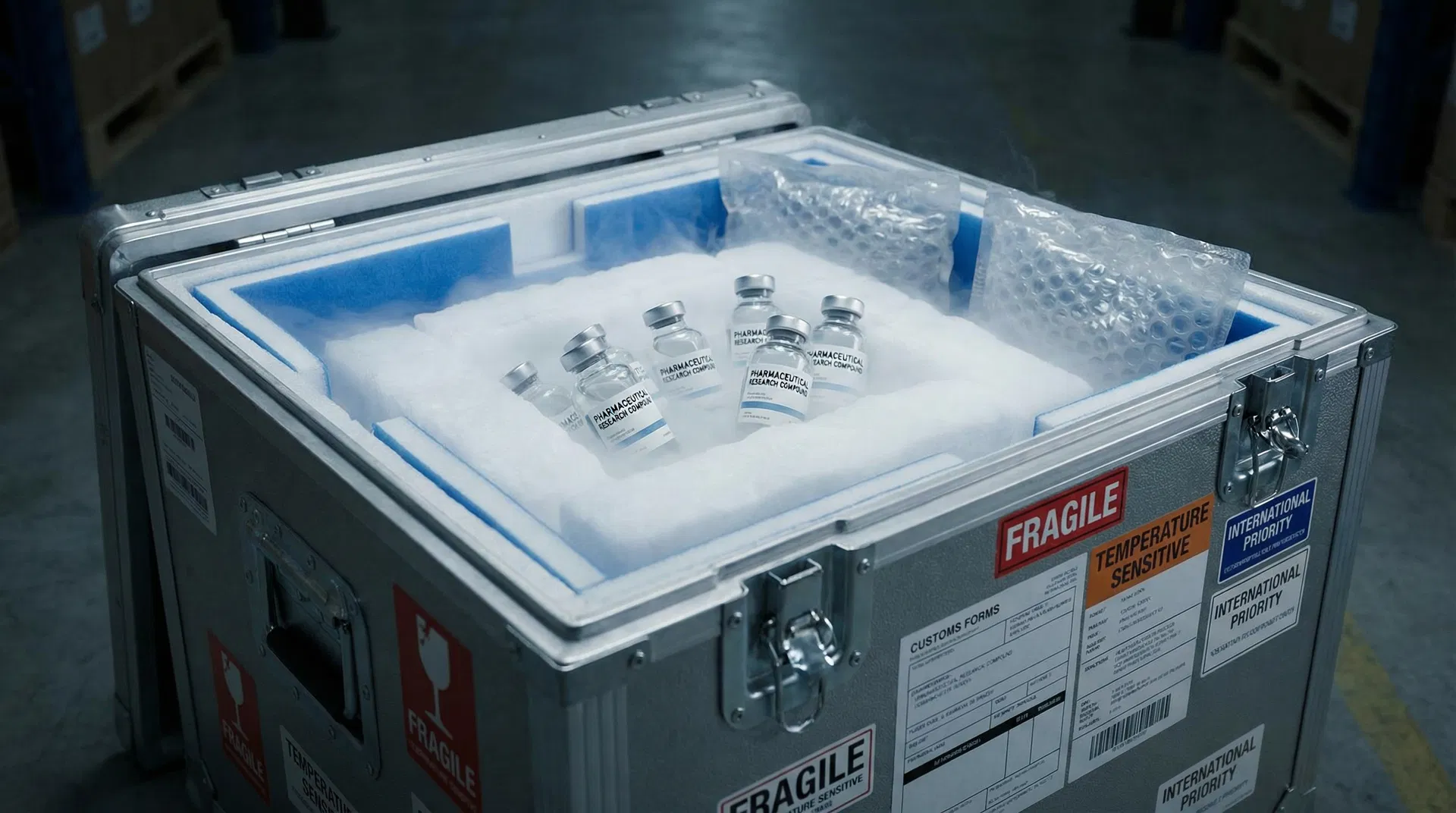
Beyond regulatory compliance, the practical logistics of transporting and storing research-grade peptides internationally demand careful planning. Peptides are often sensitive compounds requiring specific environmental conditions to maintain their integrity and efficacy. Cold chain management is frequently essential, meaning peptides must be kept within a precise temperature range throughout their journey, from packaging and transit to arrival and storage at the overseas research facility. This necessitates the use of specialized packaging, such as insulated containers with dry ice or gel packs, and reliable, experienced shipping carriers. Researchers must also consider the duration of transit and potential delays at customs, which could compromise the stability of the peptides if not adequately accounted for. Upon arrival, appropriate storage facilities, including freezers or refrigerators with consistent temperature monitoring, must be readily available. Proper documentation, including certificates of analysis and material safety data sheets (MSDS), should accompany all shipments to facilitate customs clearance and ensure safe handling at the destination.
| Aspect | Key Considerations | Potential Challenges | Best Practices | | :-------------------------- | :---------------------------------------------------------------------------------------------------------------- | :---------------------------------------------------------------------------------------------------------------- | :-------------------------------------------------------------------------------------------------------------- | | Regulatory Compliance | Import/export laws, customs duties, permits, ethical approvals (IRB/IEC) | Varying national laws, unexpected delays, legal penalties, material confiscation | Consult legal experts, engage with regulatory bodies, secure all necessary permits in advance | | Logistics & Shipping | Cold chain requirements, specialized packaging, carrier selection, transit time, customs clearance documentation | Temperature excursions, shipping delays, damage during transit, incomplete documentation | Use reputable carriers, ensure robust packaging, provide comprehensive documentation, track shipments diligently | | Storage at Destination | Appropriate temperature-controlled facilities, environmental monitoring, security | Inadequate facilities, power outages, contamination risks, unauthorized access | Verify facility capabilities, implement strict storage protocols, ensure backup power and security | | Ethical Considerations | Local research ethics, data privacy, informed consent (if applicable to downstream applications) | Conflicts between national ethical guidelines, data breaches, misinterpretation of consent | Adhere to highest ethical standards, obtain all necessary approvals, ensure data protection compliance |
Ethical Implications and Responsible Research Practices
Conducting peptide research overseas also brings ethical considerations to the forefront. While the primary focus for Pure Peptides is on laboratory and preclinical research, researchers must be mindful of the broader ethical landscape, particularly if their work has implications for future human applications or involves collaboration with institutions that conduct clinical studies. Adherence to international research ethics guidelines, such as those from the World Medical Association's Declaration of Helsinki or the Council for International Organizations of Medical Sciences (CIOMS), is crucial. This includes ensuring that all research is conducted with integrity, transparency, and respect for any local cultural or societal norms. Furthermore, researchers should establish clear protocols for data sharing, intellectual property, and authorship in collaborative international projects to prevent disputes and foster a productive research environment. Responsible research practices dictate that all studies contribute positively to scientific knowledge while minimizing any potential risks.
All compounds supplied by Pure Peptides are for laboratory and preclinical research use only. Not for human consumption.