
Peptide Research and Lactation: A Scientific Perspective
This article explores the scientific understanding of peptides in the context of breastfeeding, distinguishing between naturally occurring milk peptides and the considerations for external peptide research protocols. Researchers must exercise caution and consult experts when considering exogenous peptide studies during lactation due to limited data.
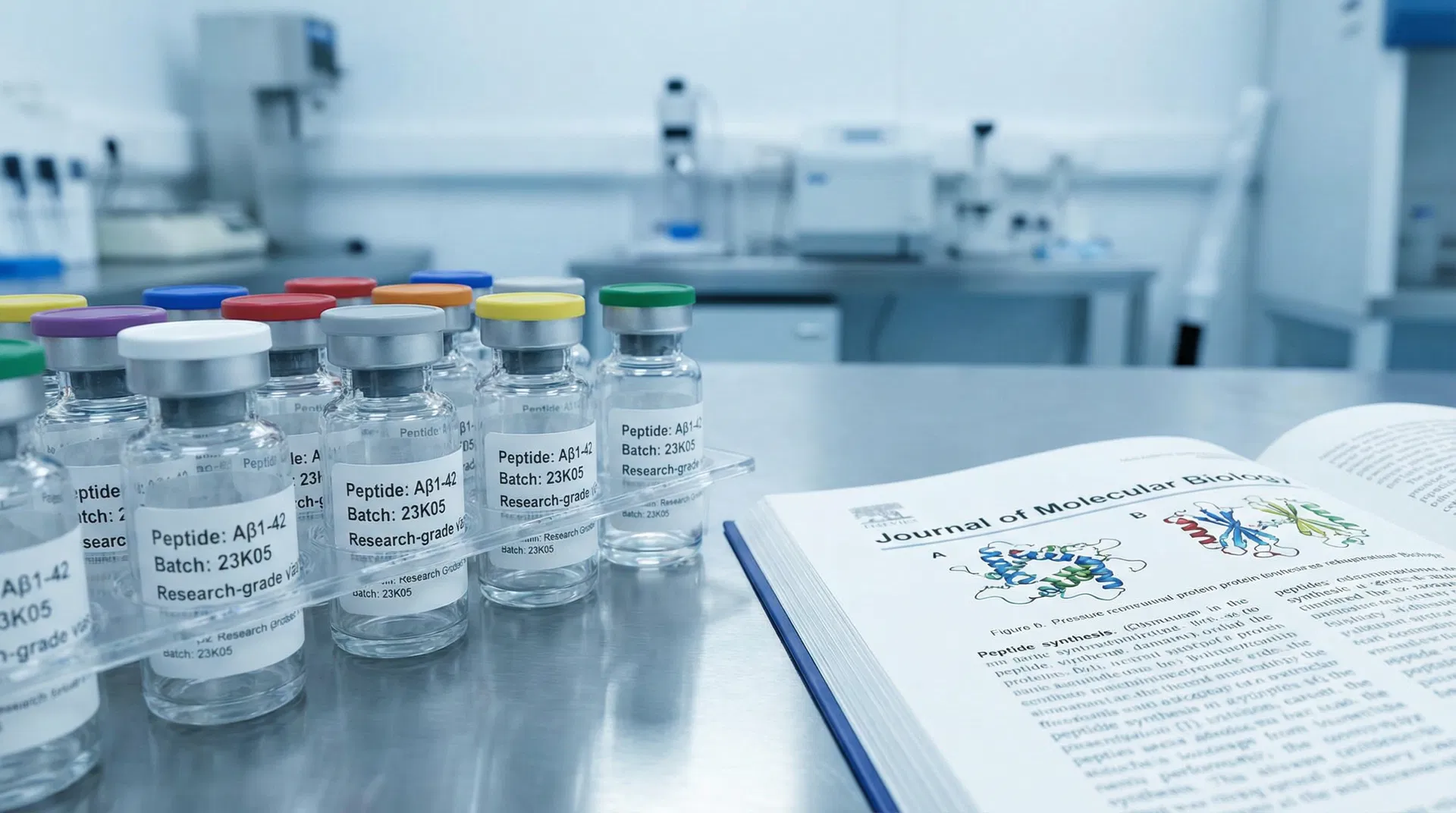
Research Use Only. This article is for informational and research purposes only and does not constitute medical advice. Always consult a qualified healthcare professional before making any health decisions.
Peptide Research and Lactation: A Scientific Perspective
The intricate biological processes surrounding lactation involve a complex interplay of hormones, nutrients, and bioactive molecules, many of which are peptides. These naturally occurring peptides within breast milk play crucial roles in infant development, immune modulation, and maternal health. For researchers investigating the broader applications of peptides, understanding their natural presence and function during lactation is essential. This article explores the current scientific understanding of peptides in the context of breastfeeding, emphasizing the distinction between endogenous milk peptides and the considerations for exogenous peptide research protocols.
Endogenous Peptides in Breast Milk: Nature's Bioactive Components
Human breast milk is a dynamic biological fluid rich in a diverse array of proteins that are enzymatically broken down into numerous bioactive peptides. These endogenous peptides are not merely nutritional components; they exert a wide range of physiological effects on the infant, contributing to gut maturation, immune system development, and protection against pathogens [1, 2]. Research has identified hundreds of unique peptides in human milk, originating from various milk proteins such as casein, lactoferrin, and alpha-lactalbumin [3]. Studies have shown that these peptides can possess antimicrobial, immunomodulatory, opioid-like, and growth-promoting activities, highlighting their significance in early life development [4]. The peptidome of human milk is influenced by factors such as the stage of lactation, maternal diet, and even storage conditions, underscoring the complexity and adaptability of this natural biological system [5, 6]. Understanding these endogenous peptide profiles is fundamental for researchers aiming to develop novel therapeutic strategies or nutritional interventions.
Exogenous Peptide Research Protocols During Lactation: A Call for Caution and Consultation
While the role of endogenous peptides in breast milk is well-established, the scientific literature on the administration of exogenous research-grade peptides during lactation is extremely limited. The primary focus of available research has been on the natural peptide composition of breast milk and its effects on the infant, rather than the potential impact of externally administered peptides on lactating individuals or their offspring. Given the lack of comprehensive data, researchers considering protocols involving exogenous peptides during lactation must proceed with extreme caution.
Any research protocol involving peptides during lactation should be meticulously planned and, crucially, undertaken only after extensive consultation with qualified healthcare professionals or research advisors. These experts can provide guidance on potential risks, ethical considerations, and the absence of established safety profiles for such applications. The physiological changes during lactation can alter drug metabolism and distribution, and the potential for transfer of research compounds into breast milk, and subsequently to the infant, cannot be overlooked. Therefore, rigorous risk assessment and adherence to ethical guidelines are paramount to ensure the safety and integrity of both the research subject and, indirectly, the infant.
Research Considerations for Peptide Studies
Researchers engaged in peptide studies should always prioritize safety and ethical conduct. When designing protocols that might intersect with sensitive physiological states like lactation, it is imperative to:
- Consult Experts: Engage with medical professionals, toxicologists, and lactation specialists to understand potential implications.
- Review Existing Literature: Thoroughly search for any available data, however limited, on the specific peptides of interest in lactating models.
- Adhere to Regulatory Guidelines: Ensure all research protocols comply with relevant institutional, national, and international ethical and regulatory standards for preclinical research.
- Prioritize Non-Human Models: Where possible, utilize in vitro or appropriate animal models to assess safety and efficacy before considering any research that might involve lactating individuals.
| Aspect | Endogenous Peptides in Breast Milk | Exogenous Research Peptides | | :----- | :--------------------------------- | :-------------------------- | | Origin | Naturally produced within the mammary gland from milk proteins | Synthesized externally for research purposes | | Function | Critical for infant development, immunity, and maternal health | Investigated for various therapeutic or biological effects | | Research Status | Well-studied, extensive literature on composition and effects | Limited to no specific research on administration during lactation | | Safety Profile | Generally recognized as safe for infant consumption | Undetermined for lactating individuals and infants; requires expert consultation |
All compounds supplied by Pure Peptides are for laboratory and preclinical research use only. Not for human consumption.
References
[1] Peptides from the Intestinal Tract of Breast Milk-Fed Infants Have ... - https://pmc.ncbi.nlm.nih.gov/articles/PMC7956819/ [2] Human Milk Protein-Derived Bioactive Peptides from In Vitro ... - https://health.oregonstate.edu/research/publications/103390nu16132040 [3] Peptidome analysis of human milk from women delivering ... - PMC - https://pmc.ncbi.nlm.nih.gov/articles/PMC5325381/ [4] Exploring the Role of Peptides in Enhancing Lactation and ... - https://www.researchgate.net/publication/398492653_Exploring_the_Role_of_Peptides_in_Enhancing_Lactation_and_Supporting_Infant_Development_A_Comprehensive_Review [5] Peptidomics of human milk during lactation and mastitis - https://lebrilla.faculty.ucdavis.edu/2014/05/27/peptidomics-of-human-milk-during-lactation-and-mastitis/ [6] Impact of Storage Conditions on the Breast Milk Peptidome - MDPI - https://www.mdpi.com/2072-6643/12/9/2733