
Navigating Peptide Research Materials Import Regulations for Japan
Researchers planning to conduct studies involving peptides in Japan must navigate a complex web of international and national regulations. Understanding these guidelines is crucial for ensuring compliance and the smooth progression of scientific endeavors.
Research Use Only. This article is for informational and research purposes only and does not constitute medical advice. Always consult a qualified healthcare professional before making any health decisions.
The global landscape of scientific research often necessitates the international transport of specialized materials, including research-grade peptides. For scientists and institutions considering peptide-based studies within Japan, a thorough understanding of the country's import regulations is paramount. These regulations are designed to control the entry of various substances, ensuring safety, preventing misuse, and maintaining national standards. It is critical to remember that all peptides supplied by Pure Peptides are strictly for laboratory and preclinical research use only, and not for human consumption. This distinction is fundamental when addressing regulatory frameworks.
Understanding International and Japanese Import Controls
Transporting research materials across international borders involves a dual layer of regulatory scrutiny: export regulations from the country of origin and import regulations of the destination country. For Japan, the import of chemical substances, including peptides, is governed by several laws, primarily the Chemical Substances Control Law (CSCL) and customs regulations. These laws classify substances based on their properties, intended use, and potential risks, which directly impacts the documentation and permits required for entry. Researchers must meticulously identify the specific classification of their peptide compounds and ascertain if any special permits or notifications are necessary before shipment. Failure to comply can result in significant delays, confiscation of materials, or legal penalties, thereby jeopardizing valuable research projects.
Essential Documentation and Compliance for Research Shipments
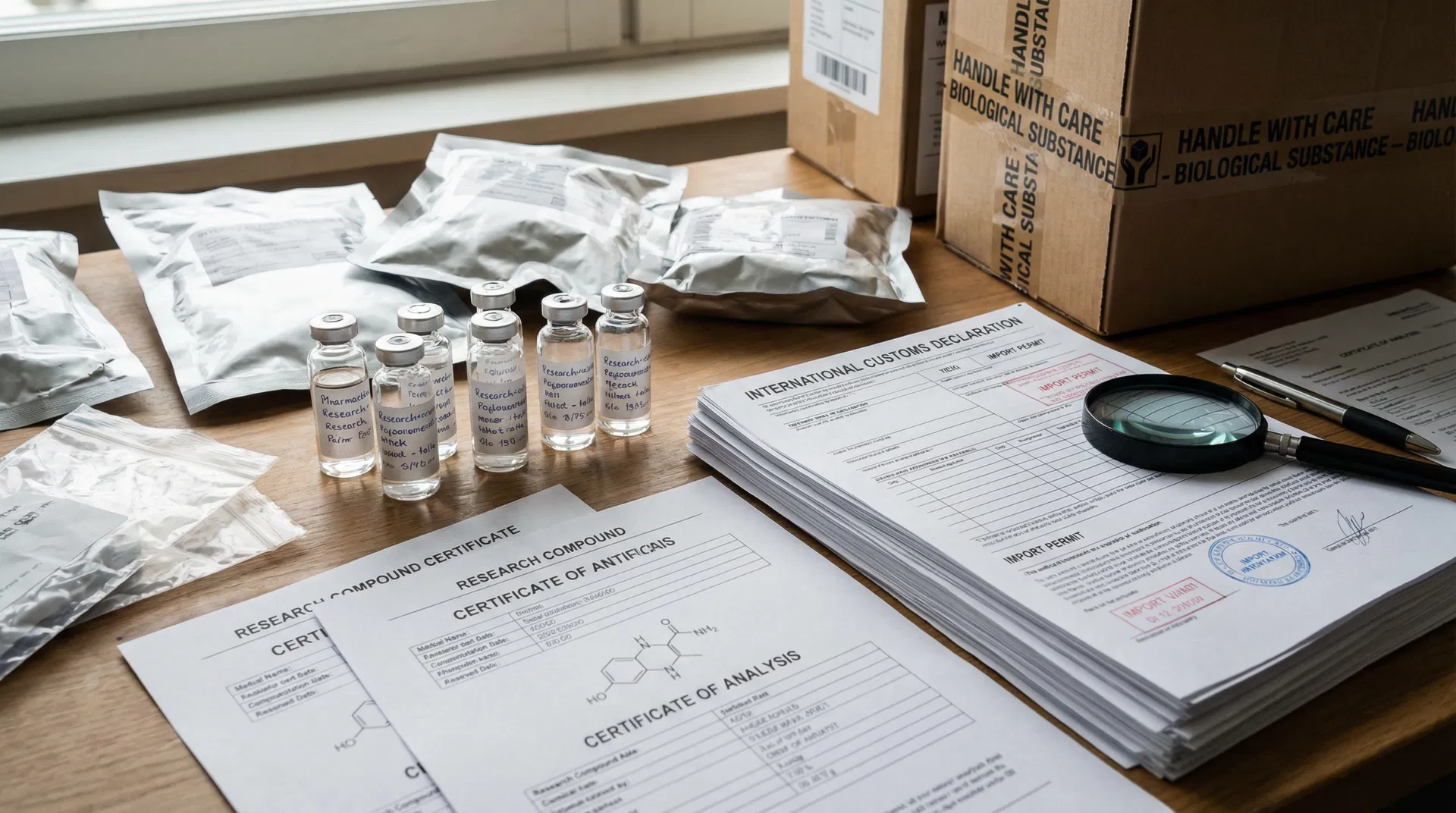
Successful importation of research peptides into Japan hinges on comprehensive documentation and strict adherence to established protocols. Key documents typically include a detailed Material Safety Data Sheet (MSDS) or Safety Data Sheet (SDS) for each peptide, clearly outlining its chemical properties, hazards, and handling instructions. Furthermore, a commercial invoice, packing list, and a declaration of the intended research use are indispensable. In some cases, specific import licenses or notifications to relevant Japanese ministries (e.g., Ministry of Health, Labour and Welfare, or Ministry of Economy, Trade and Industry) may be required, particularly for novel compounds or those with specific regulatory classifications. It is advisable for research institutions to consult with experienced customs brokers or legal experts specializing in Japanese import regulations for research chemicals to ensure all requirements are met.
Best Practices for Researchers and Institutions
To facilitate a smooth import process, researchers should initiate their regulatory review well in advance of any planned shipment. This includes direct communication with Japanese customs authorities or the relevant regulatory bodies to clarify any ambiguities. Maintaining clear, consistent communication with suppliers, freight forwarders, and receiving institutions in Japan is also vital. Packaging must comply with international shipping standards for chemical substances, and labeling must be accurate and comprehensive, reflecting the 'for research use only' designation. By proactively addressing these logistical and regulatory challenges, researchers can ensure their valuable peptide materials arrive safely and legally, allowing their scientific work to proceed without undue interruption.
| Aspect | Key Consideration | Importance | | :--------------------- | :------------------------------------------------------------------------------------------------------------- | :-------------------------------------------------------------------------- | | Regulatory Review | Check both export (origin) and import (Japan) laws, especially CSCL. | Avoids legal issues and shipment delays. | | Documentation | Prepare MSDS/SDS, commercial invoice, packing list, and research use declaration. | Essential for customs clearance and regulatory compliance. | | Permits/Licenses | Identify if specific import permits or notifications are required for your peptide's classification. | Mandatory for certain substances; prevents confiscation. | | Packaging & Labeling | Adhere to international standards; clearly label 'for research use only'. | Ensures safe transport and proper identification. | | Expert Consultation | Engage customs brokers or legal experts familiar with Japanese chemical import laws. | Provides guidance and minimizes risks of non-compliance. |
All compounds supplied by Pure Peptides are for laboratory and preclinical research use only. Not for human consumption.