
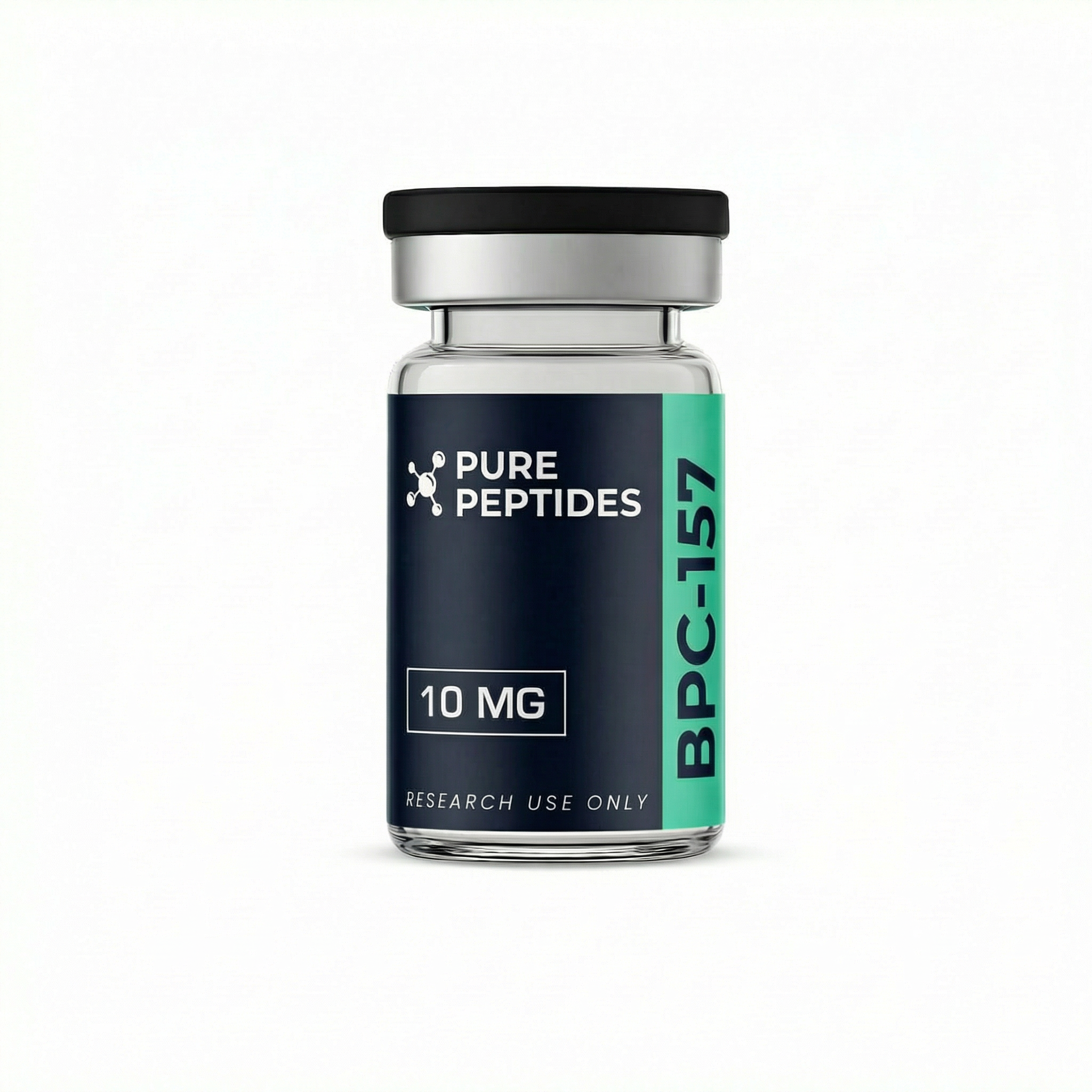
BPC-157
Investigating BPC-157: A Pentadecapeptide for Tissue Studies
Ships Next Day
Order before midnight — dispatched tomorrow with cold-chain packaging
HPLC Verified
≥99.6% purity
Lyophilized
Powder format
Free Shipping
Cold-chain included
COA Included
Every batch
Verify Batch
Lot-level COA
Check required bloodwork before researching
View the Research Safety Companion — biomarkers, supplement stack & red flags for this compound
BPC-157 is a synthetic pentadecapeptide derived from human gastric juice protein BPC. Research focuses on its role in various physiological processes, particularly those involving tissue integrity and cellular repair mechanisms.
Research Highlights
Reconstitution Calculator
Use bacteriostatic water for reconstitution. Store lyophilized at -20°C.
Quantity
Select dose
Certificate of Analysis (COA)
Verified by Auxilium Pharmaceutical Consulting
Every batch is HPLC-tested to ≥99.6% purity. Certificate of Analysis and MSDS available with every order.
Recommended Stacks
Wolverine Stack
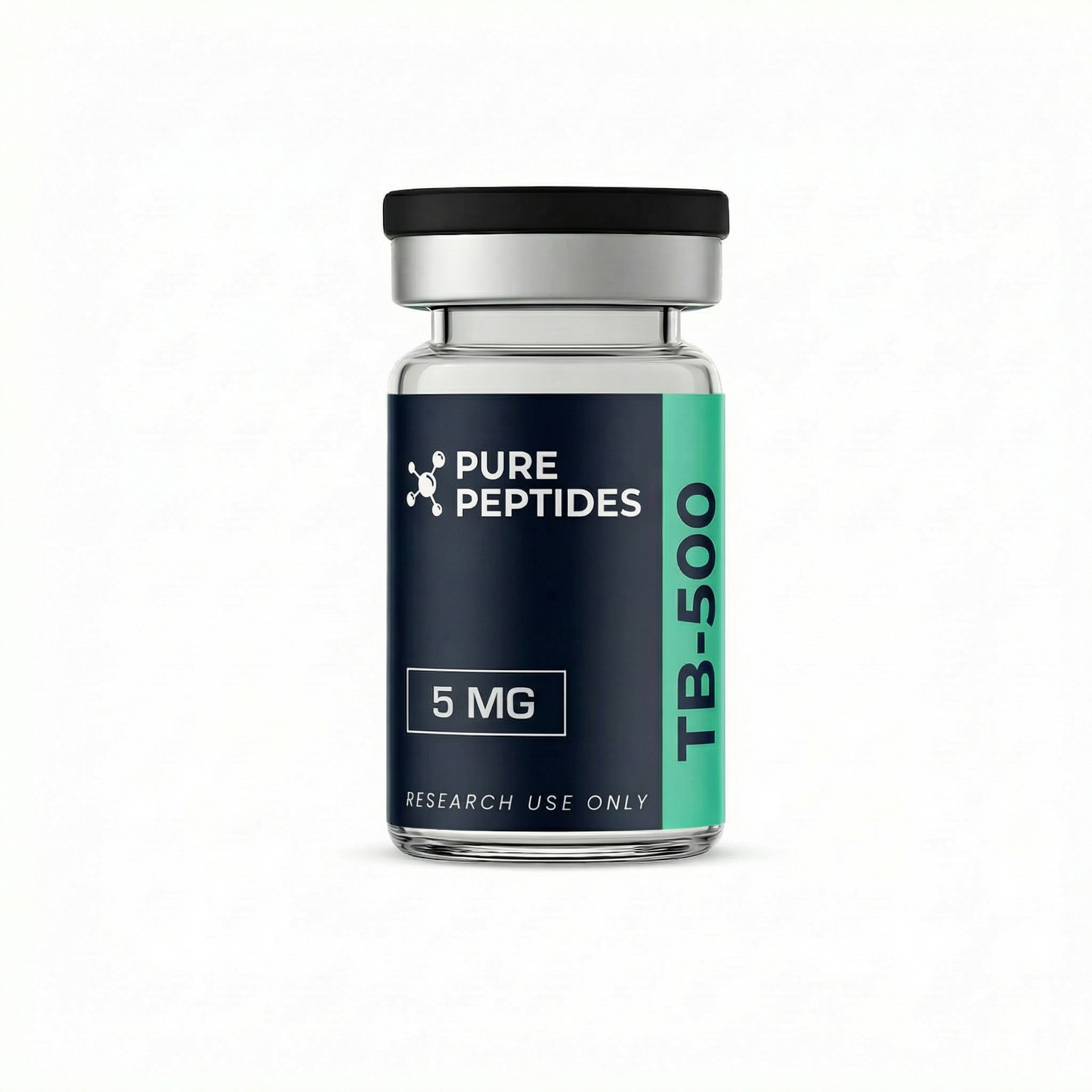
Most PopularBPC-157 + TB-500 is the most widely studied tissue repair combination. BPC-157 targets localised healing while TB-500 promotes systemic recovery and flexibility.
Frequently Asked Questions
What is BPC-157?
BPC-157 is a synthetic pentadecapeptide derived from human gastric juice protein BPC. Research focuses on its role in various physiological processes, particularly those involving tissue integrity and cellular repair mechanisms.
What purity is BPC-157 supplied at?
Pure Peptides supplies BPC-157 at ≥99.6% (HPLC) purity, verified by HPLC analysis. A Certificate of Analysis (COA) is available for every batch.
How should BPC-157 be stored?
Store lyophilized peptide at -20°C. After reconstitution, store at 4°C for short-term use or -20°C for long-term storage.
Does BPC-157 come with a Certificate of Analysis?
Yes. Every batch of BPC-157 from Pure Peptides includes a Certificate of Analysis (COA) confirming identity, purity, and quality. MSDS documentation is also available upon request.
Related Compounds — Tissue Repair Peptides
Verified Reviews
What Researchers Say
COA matches our independent testing
We always verify independently. Their stated 99.6% purity held up under our mass spec analysis. Reliable, professional operation.
Best source for tissue repair studies
Our tissue repair protocols have been running on Pure Peptides BPC-157 for 8 months. Consistent results batch to batch. COA documentation is thorough and the lot verification system is a nice touch.
Exceptional purity — confirmed by our lab
We ran independent HPLC on three separate batches and consistently measured 99.7–99.8% purity. The lyophilization quality is excellent and reconstitution is clean. Shipping was fast and cold-chain packaging was intact.
Solid quality, fast shipping
Third order from this supplier. Quality is consistently high. The only minor point is I'd love to see a 20mg vial option for longer studies. Everything else is top notch.
BPC-157: A Comprehensive Research Overview
BPC-157 is a synthetic pentadecapeptide derived from a protective gastric protein. Decades of preclinical research have examined its effects on connective tissue, the nervous system, and gastrointestinal function.
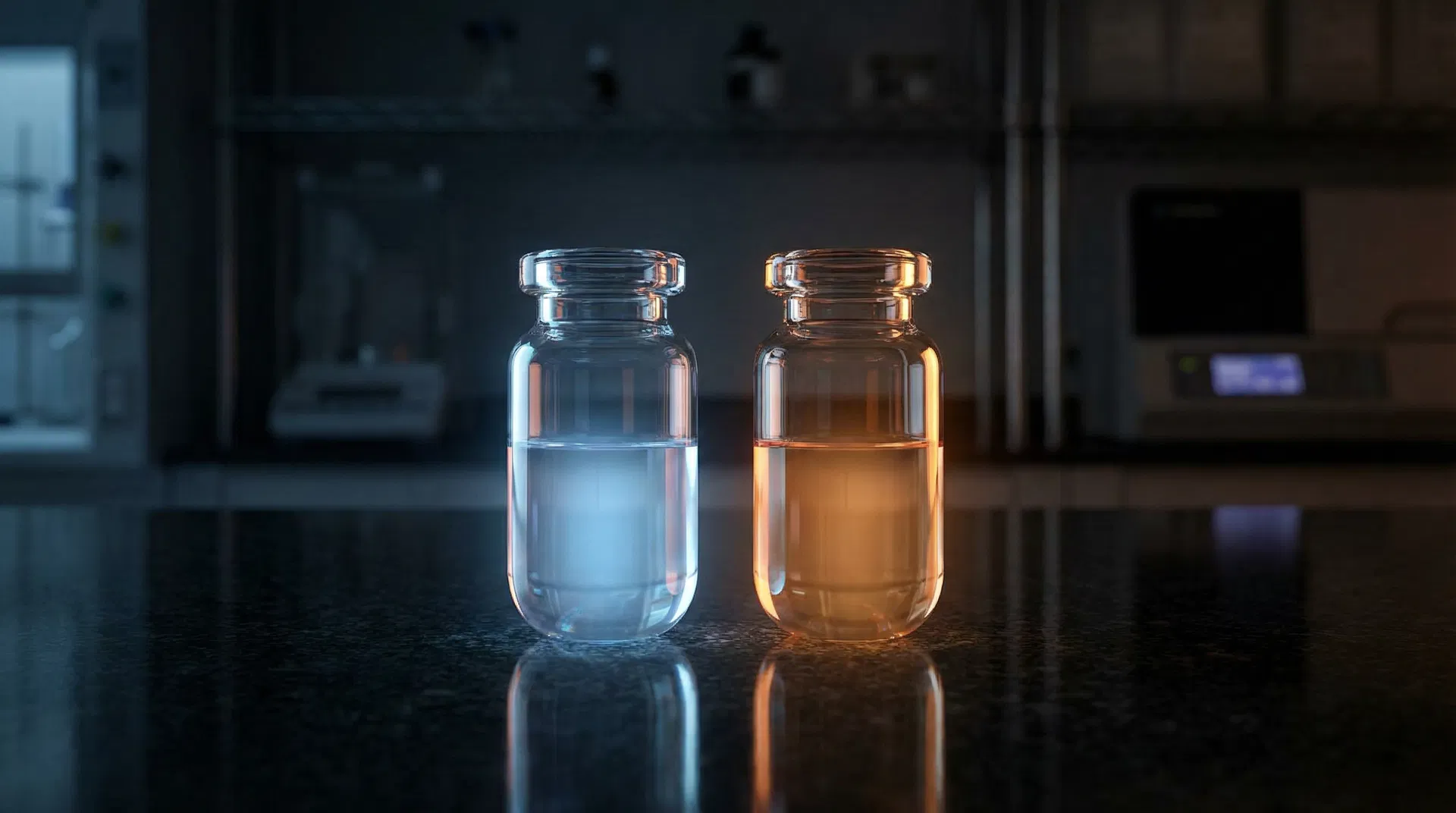
BPC-157 vs TB-500: Comparing Two Leading Tissue Repair Peptides
BPC-157 and TB-500 are two of the most researched tissue repair peptides, yet they operate through fundamentally different mechanisms. Understanding their distinct profiles helps researchers select the appropriate compound — or combination — for their specific model.
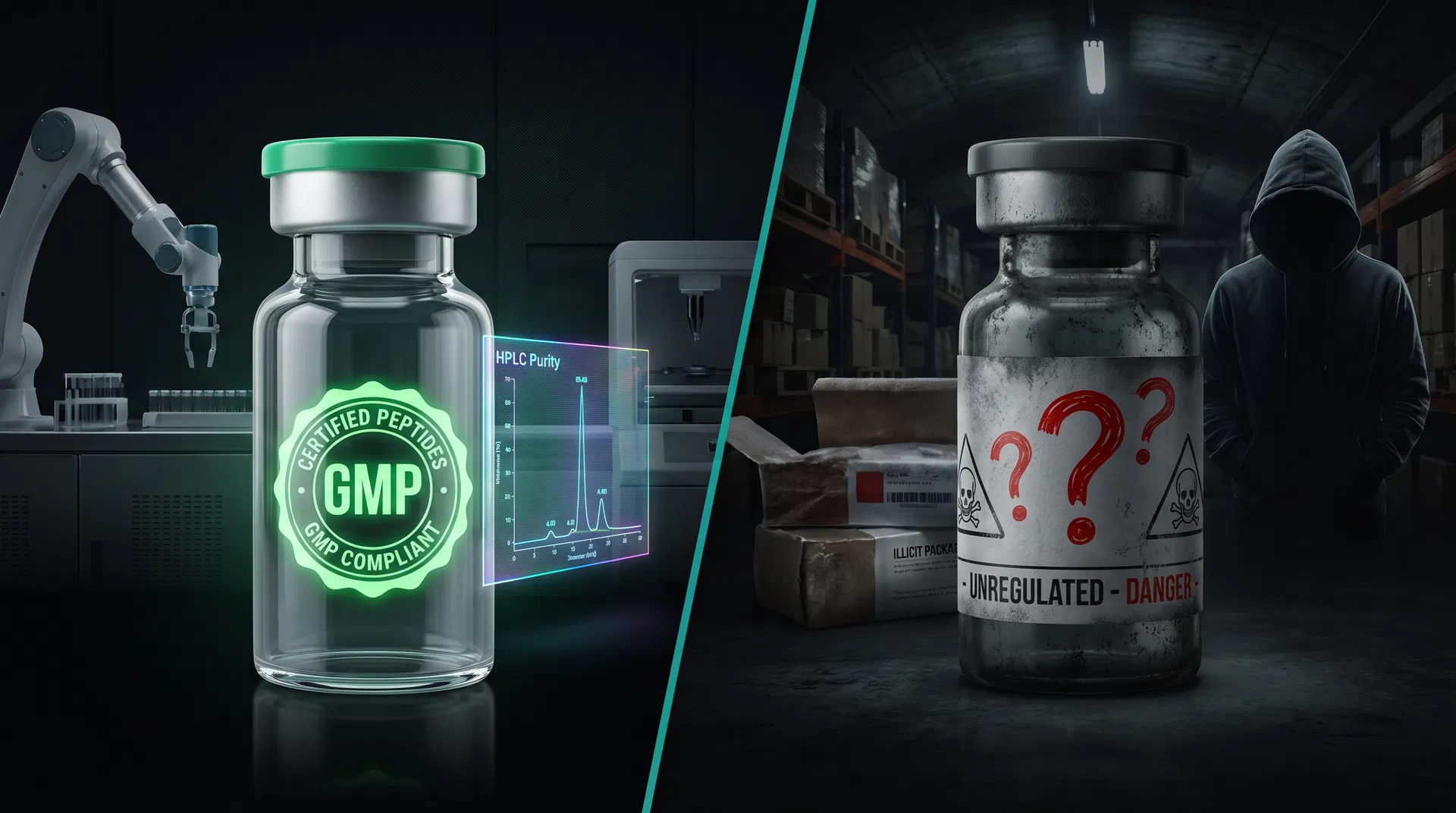
Grey Market Peptides: Understanding the Regulatory Landscape and Quality Risks
The search for 'grey market peptides' reflects genuine confusion about the regulatory status of research compounds. This guide clarifies the legal framework across major jurisdictions and explains how quality varies dramatically — and why it matters for research validity.
BPC-157
BPC-157
$69.00